
Hair Transplant for Women

Thinning hair is more common than you think — and more treatable.

Many women quietly live with thinning hair, a widening part, or a hairline that has crept back, believing nothing can be done. Often, something can. The first step is simply understanding what is happening — and what your options actually are.

60 seconds · An estimate based on your hair loss stage · Not a medical diagnosis.

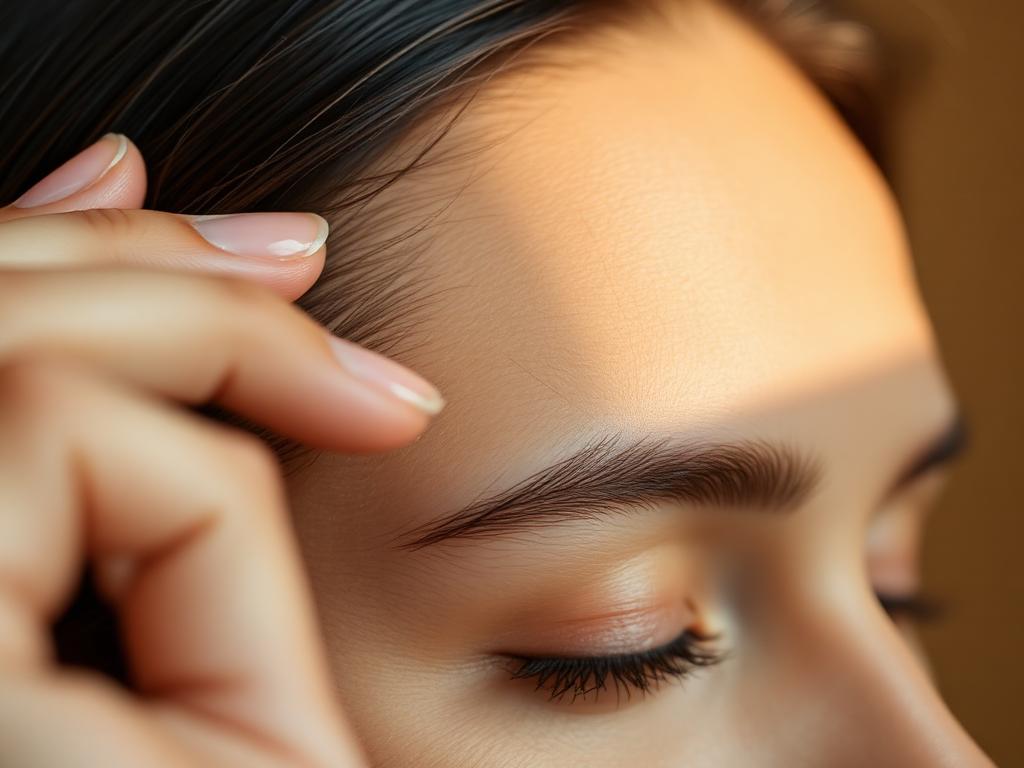
A woman, natural and at ease — Hair Transplant Bali.

What Is Happening

Female hair loss looks different.

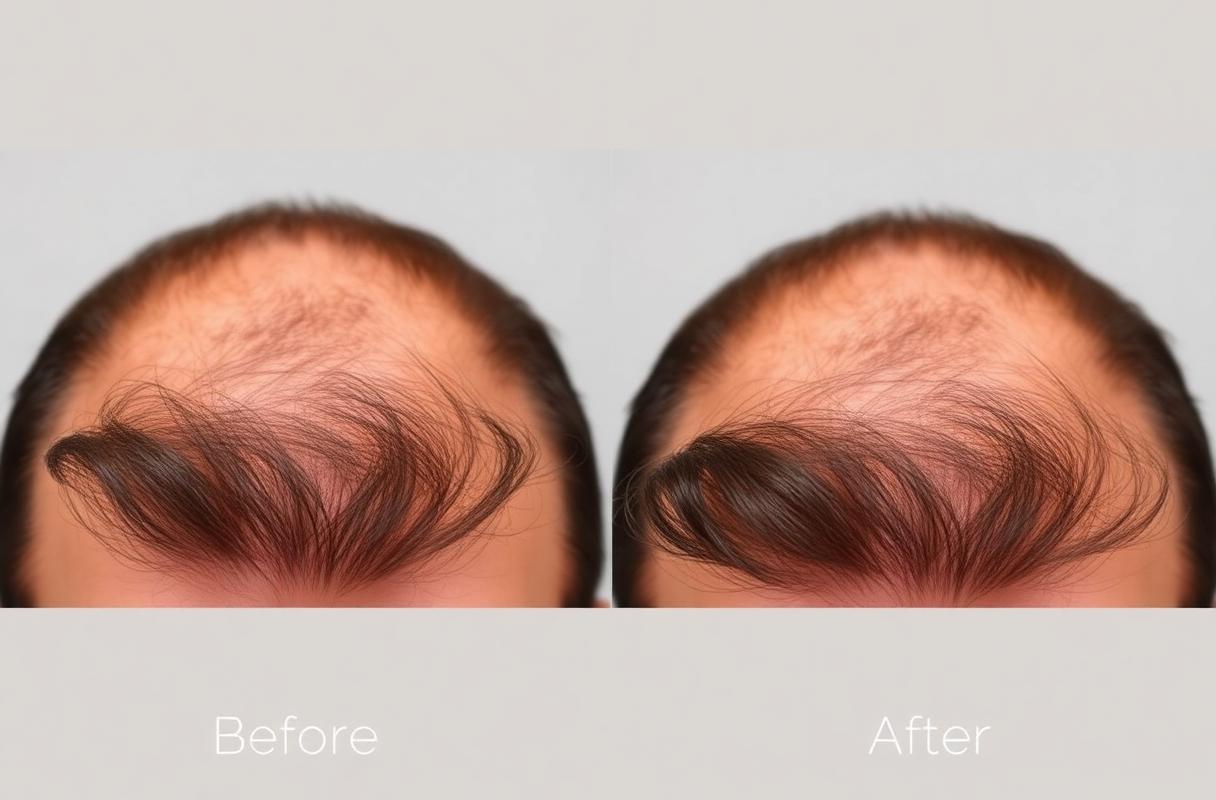
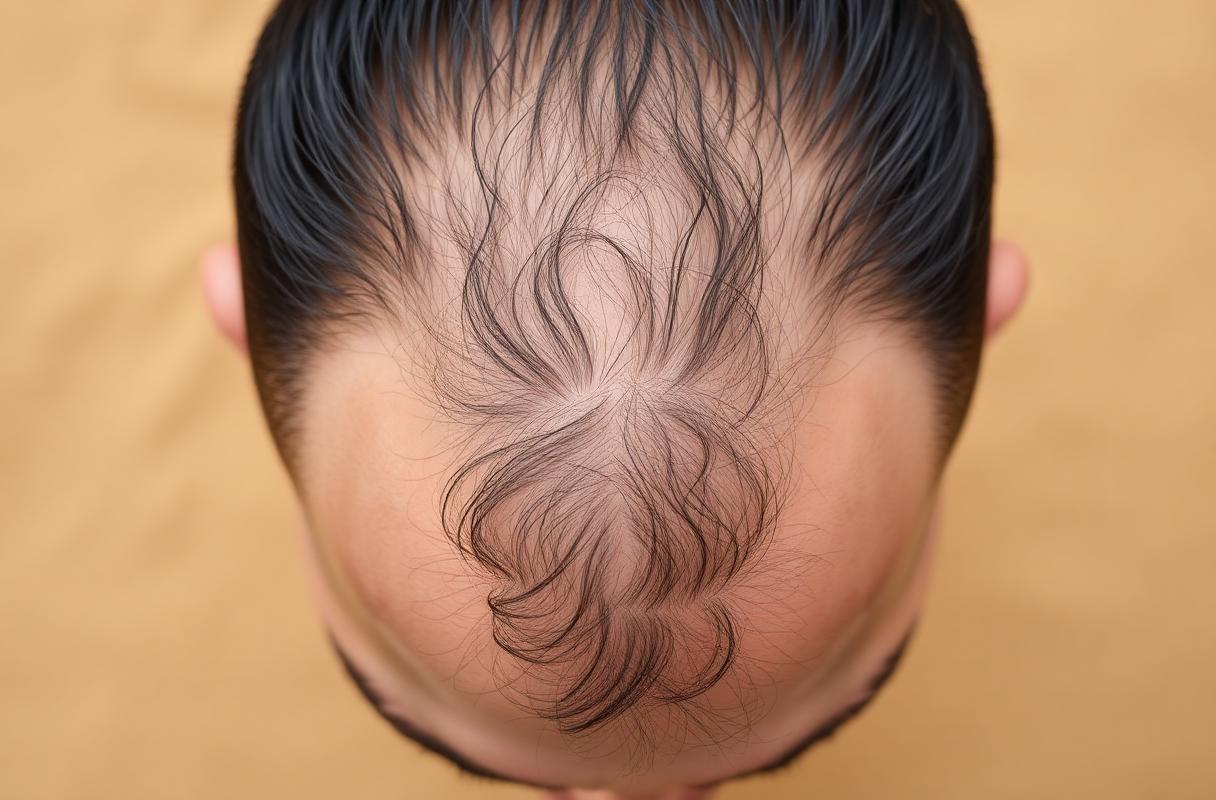
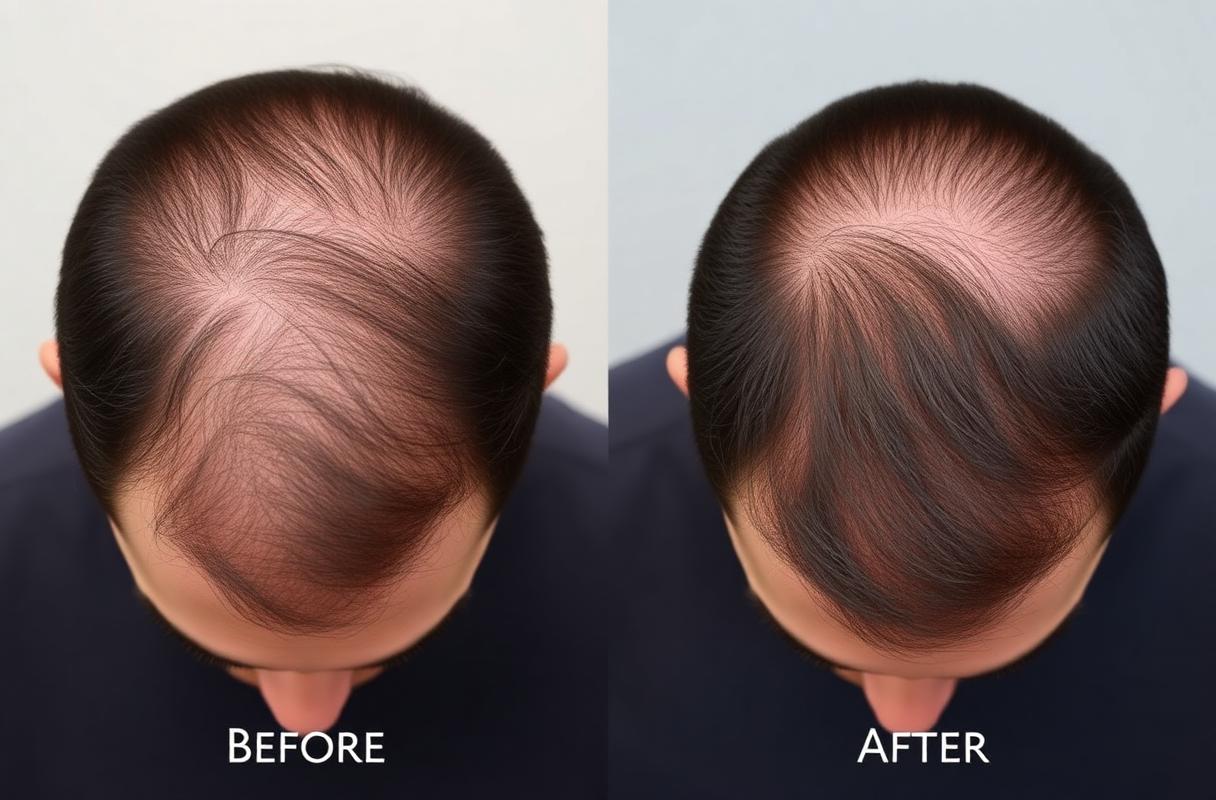
Female hair loss rarely looks like the male pattern. Most women keep their hairline, and instead notice the part-line widening, the hair on top feeling finer and less dense, or more hair than usual on the pillow and in the brush. It tends to be diffuse — a general thinning across the top — rather than a clean receding line. It is mapped by what is known as the Ludwig scale, which describes this thinning from early, to more noticeable, to advanced.

Hair loss in women has many possible causes — hormonal changes, genetics, thyroid issues, stress, pregnancy, certain medications — and the cause matters, because it shapes what the right treatment is. If you are noticing this, you are far from alone. The useful first step is not deciding on a procedure — it is understanding what is actually happening with your hair.

Ludwig scale — female diffuse thinning stages.

Ludwig scale — female diffuse thinning stages.

Candidacy

Surgery is not always the answer — and we will tell you.

A hair transplant works by moving healthy follicles from a stable donor area to where they are needed. For many women that works very well — particularly for a defined area like a high hairline, a widened part, or thinning in a specific zone, where the donor area at the back is still strong. But not every woman is a surgical candidate, and it would be wrong of us to pretend otherwise.

In some women the thinning is diffuse enough that the donor area itself is affected — and moving hair from an unstable donor area simply moves the problem. For others, the loss is being driven by something — hormonal, medical, nutritional — that should be addressed first, sometimes resolving the loss without surgery at all. This is why the assessment matters more for women than the brochure does. If a transplant is not right for you, we will say so, and point you to what is.

What We Treat

What we treat.

Close-up of a woman's part-line showing fine, diffuse thinning across the top.

Thinning & Diffuse Loss

The most common reason women come to us — a widening part and a top that feels finer, while the hairline itself stays put.

  • Female loss is diffuse, mapped on the Ludwig scale, not the male Norwood pattern
  • Donor stability decides everything — if the back is also miniaturising, surgery isn't the answer
  • Grafts placed between and around your existing hairs, with fine instruments and matched angles, so native hair isn't damaged
  • The cause is understood first — thyroid, iron, hormones, stress or medications can be the real driver
  • A realistic goal: restored density blended into your own hair, not wall-to-wall coverage
  • Sometimes the right first step isn't surgery — strengthening what you have can come first

Side profile of a woman showing a softly curved, lowered hairline.

Hairline Lowering & Reshaping

A naturally high forehead, or a hairline that has crept back at the temples, brought forward by design.

  • Designed to female proportions — lower than a man's, softly rounded, no temple recession
  • The front row is built from single hairs, set at low forward-leaning angles in a deliberately irregular line
  • The Hair Transplant Physician designs the line with you first, then creates every recipient site at the planned angle, direction and depth
  • Usually a strong candidacy — the donor area is typically unaffected, making the outcome predictable
  • Temple and traction loss from tight ponytails, braids or extensions can often be rebuilt where follicles are still viable
Editorial close-up of a woman's natural, well-shaped eyebrow.

Eyebrow Transplant

Brows thinned by years of plucking, scarring, a medical cause, or age — rebuilt as a permanent brow that's actually your own hair.

  • Built only from single-follicle grafts — slow, meticulous, conservative on density
  • Angle is everything — brow hair lies almost flat and shifts direction across the arch; each graft follows that map
  • Designed to your face — shape, symmetry and arch mapped and agreed before anything begins
  • A permanent brow that grows like scalp hair — it needs occasional trimming and grooming, and we tell you that in advance
  • A natural alternative for women whose microblading or tattooing has faded
Close-up of a hand gently lifting hair to reveal a smooth hairline at the temple.

Scar Revision

Hair transplanted into scars on the scalp, hairline or brow to soften and disguise them — camouflage, not erasure.

  • Treats scars from facelifts, brow-lifts, old injuries, surgery, cosmetic procedures, or burns
  • Scar tissue has a poorer blood supply, so graft survival is typically lower than in healthy scalp — built into the plan
  • Conservative, sometimes staged approach — a lower first-pass density, with angle and depth adjusted to the tighter tissue
  • Realistic goal: the scar stops drawing the eye, rather than disappearing entirely
  • Often combined with hairline lowering or reshaping; equally done on its own
  • We assess your particular scar first and tell you honestly what improvement is achievable

Discretion

No one needs to know — including during recovery.

A common and reasonable worry for women is the donor area: will I have a shaved patch on show for weeks? For most women, no. Where your hair is long enough, we tie up the upper hair and shave only the narrow donor strip underneath, at the back of the head. Once your hair is let down, that area is covered completely — you can return to normal life with nothing visible. The recipient area, where the grafts go, is worked through and around your existing hair rather than shaved. Discretion is part of how we plan the procedure, not an afterthought.

Wondering if you're a candidate?

The Procedure

The same careful method, adapted for you.

The procedure follows the same protocol as all our work: healthy follicles are taken, one at a time, from the permanent donor area at the back of the head, and placed into the thinning or receded areas, under local anaesthesia, with you awake and comfortable. The Hair Transplant Physician plans the procedure, designs any hairline, makes the recipient-site incisions, and performs the extraction; the trained team places the grafts under the Hair Transplant Physician's supervision. What is adapted for women is the detail — working grafts in among your existing hair without damaging it, the discreet donor approach, and a hairline or brow designed to female proportions.

On Looking Natural

It should just look like your hair.

For women, a natural result means density that blends seamlessly with the hair you already have, a hairline at the right height and softness for your face, and brows that follow the way brow hair really grows. None of it should read as "done". It should simply look like you, with more hair.

Results

Women we've treated.

BA-004 before

Before

BA-004 after

After

Hairline lowering · 1,800 grafts · 12 months · L.C., 35

BA-006 before

Before

BA-006 after

After

Diffuse thinning · 2,000 grafts · 12 months · S.T., 41

BA-007 before

Before

BA-007 after

After

Eyebrow transplant · 350 grafts · 9 months · E.G., 29

Recovery

What to expect — including the part worth being honest about.

You can go home the same day. For the first few days there may be mild swelling and small scabs around the grafts, which settle within a week to ten days. Most women, with the discreet donor approach, are comfortable in public within days.

Now the part worth being honest about. Around a month after the procedure, roughly half of women experience what is called shock loss — some of the existing hair around the treated area sheds over the following few weeks. It can be alarming if you are not expecting it. It is temporary. The follicles are not lost; they are resting, and the hair grows back. New growth from the transplant begins around three to four months, with the fuller result by about twelve months. We tell you this in advance, and we are with you through every stage, precisely so that month one is reassuring rather than frightening.

Come and See

Start by understanding what's happening with your hair.

You do not have to decide anything to take the first step. Take our 60-second graft estimate, or send a few photos for a personalised assessment, and we will give you an honest picture of what is happening and what your options are — surgical or not. No pressure, complete discretion.